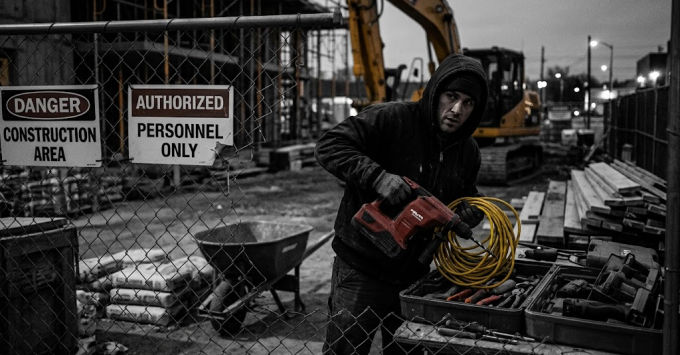
The home building and remodeling world is booming right now, with tons of people fixing up older houses or building brand-new dream homes. Big projects like adding extra rooms or upgrading a house take time, expensive materials, and hard work. But construction sites can also be risky, and standard house insurance usually won’t pay for damages while a building is still being worked on. That is why getting Builder’s Risk Insurance is so important.
Builder’s risk insurance (also known as course of construction insurance) is a specialized type of property insurance that protects buildings, structures, and materials while they are under construction, renovation, or expansion.
It covers physical damage caused by covered perils—such as fire, lightning, severe winds, hail, vandalism, and theft—from the time construction begins until the project is completed and accepted by the owner.
What Does Builder’s Risk Cover?
- Structure & Materials: The main building under construction, temporary structures (scaffolding, jobsite trailers), and building materials waiting to be installed.
- In-Transit & Off-Site Storage: Materials located at a temporary storage site or being transported to the jobsite.
- Optional / Soft Costs Add-Ons: Financial losses resulting from delays, such as extended property taxes, architect/engineering fees, loan interest, and lost sales or rental income.
Standard exclusions typically include flood, earthquake, normal wear and tear, employee theft, fault of design, and extreme weather left unprotected.
Who Needs Builder’s Risk Insurance?
Anyone with a direct financial interest in a construction or major renovation project should either purchase or be named as an insured on a builder’s risk policy.
Property Owners & Developers – Protects their capital investment and land improvements. Mortgage lenders often mandate this coverage before releasing construction loans.
General Contractors – Protects their equipment, materials, and financial liability on the jobsite. Contracts usually dictate whether the owner or GC secures the primary policy.
Subcontractors – Often included as named insureds to protect their installed work and materials on site prior to completion.
House Flippers & Homeowners – Essential for homeowners undertaking major additions, structural remodels, or ground-up custom builds. Standard homeowner policies generally exclude buildings under major construction.
Key Rule of Thumb: A standard commercial property or homeowners policy rarely covers a building actively undergoing major construction. A dedicated builder’s risk policy bridges that gap until standard coverage takes over.
While Builder’s Risk is standard practice for new ground-up developments and vacant sites, undertaking an addition or renovation while actively occupying the primary residence changes the dynamic.
Depending on the scope of work and structural design, maintaining a standard homeowners policy—potentially with an inexpensive building alteration endorsement—may suffice instead of purchasing a separate Builder’s Risk policy.
Key Reasons Builder’s Risk May Be Optional
- Building on a Concrete Slab Eliminates Foundation Collapse Risks
A main trigger for dedicated builder’s risk coverage during major construction is foundation vulnerability—specifically deep excavation, foundation wall collapse, or severe structural shifting before backfilling occurs on a basement or crawlspace build. When building on a slab, the structural risk is low; concrete slabs do not experience the side-pressure collapses, cave-ins, or subterranean moisture shifts typical of deep basement excavations.
- Occupancy Reclassifies Materials as Personal Property
On a vacant site or unoccupied build, uninstalled building materials (lumber, tile, fixtures, framing hardware) require a Builder’s Risk policy for theft protection. However, living on the property full-time changes the classification:
-
- Theft Coverage: Uninstalled building materials stored inside an occupied home, garage, or secured footprint fall under the homeowner’s standard Personal Property (Coverage C) or general premises liability.
- Active Security: Continuous occupancy deters jobsite theft and vandalism—the primary non-structural claims on construction sites.
Important Policy Note: Always inform the homeowners insurance provider before major construction starts. While a separate Builder’s Risk policy may not be required for an occupied slab project, an insurer must add a basic Permit for Building Alterations / Renovation Endorsement to ensure major structural changes do not void standard dwelling coverage.
In Summary
Ultimately, whether you are breaking ground on a brand-new home or upgrading the house you already live in, making sure your investment is protected from start to finish is essential. The right coverage depends on your specific project—while a major vacant build or deep basement excavation calls for a standalone Builder’s Risk policy, a smaller occupied project on a slab might only need a quick update to your existing homeowners plan. Taking a moment to double-check your policy details with your insurance agent before the tools come out will keep your building project smooth, safe, and fully covered.